
Naming feels like sorcery from the outside: a name appears, it's perfect, and everyone pretends it arrived fully formed in a dream. It didn't. Behind every name worth owning is a process boring enough that nobody puts it in the case study. Here's ours.
Start with the brief, not the whiteboard
A name can't be judged in a vacuum — only against a job. Before we generate a single option we agree on what the name has to do: what it should signal, what it must never imply, how it sits next to competitors, and how much room it needs to stretch as the company grows. A name that fits today and strangles you in three years is a bad name that happened to test well.
Generate wide, on purpose
The first twenty names are everyone's first twenty names — obvious, safe, already taken. We push past them deliberately. We generate across territories: descriptive, invented, metaphor, founder, borrowed-word, sound-led. Volume isn't the goal, but range is. You cannot shortlist bravely from a timid longlist.
- ›Descriptive — says what it does. Clear, but crowded and hard to protect.
- ›Invented — owns a blank space, but has to earn its meaning from scratch.
- ›Metaphor — borrows a feeling from somewhere else entirely.
- ›Sound-led — chosen first for how it feels in the mouth, then justified.
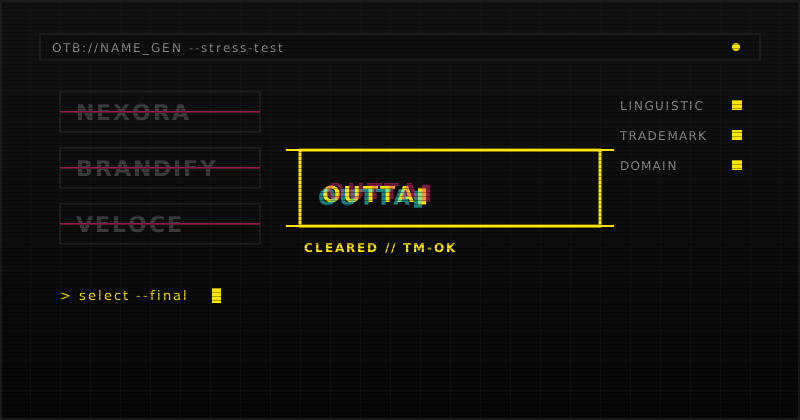
Stress-test before you fall in love
This is where romance dies and good names survive. Every shortlist candidate goes through the same gauntlet, and we run it before anyone gets attached — because attachment makes people argue with reality.
- ›Say it out loud, ten times, to someone who's never seen it spelled. If they can't spell it back, it will cost you forever in support tickets and mishears.
- ›Linguistic check across the languages your market actually speaks. The internet is full of brands that mean something unfortunate two borders over.
- ›Trademark and domain reality. A name you can't own is a name you're renting from a lawsuit.
- ›The stranger test. Does it survive being said flatly, with no logo and no context? Names shouldn't need a costume to work.
Fall in love after the trademark search, never before.
The rules we never break
First: never present a name you couldn't defend on legal and linguistic grounds — surprises after the client falls in love are how trust dies. Second: never let the cleverest name win by default; clever fades, ownable endures. Third: the name has to earn the Trueline, not fight it. A name that pulls against what the brand believes will quietly undermine every asset built on top of it.
Why it looks like magic anyway
When the process is done properly, the final name feels inevitable — as if it were always the answer. That inevitability is the whole trick. It isn't sorcery. It's a wide net, a brutal filter, and the discipline to fall in love last.